Chattanooga • Tankless conversion guide
Will a tankless upgrade solve your hot-water complaint?
Before replacing a water heater, identify what you want to improve: longer showers, more room, fewer interruptions or a better fit for a renovated home. One Source helps Chattanooga homeowners evaluate tankless installation against those goals.
A tankless system heats water as it is needed instead of maintaining a stored supply. It can be a good fit when properly selected and installed, but it is not an automatic fix for every delay, pressure issue or uneven shower temperature. The home’s piping and utilities matter as much as the equipment.
Start with the problem you want to solve
“We run out during back-to-back showers.”
Compare the household’s simultaneous demand with the unit’s output at the required temperature rise. Continuous operation is useful only if the selected system can serve the fixtures you want to use together.
“The far bathroom takes too long to get hot.”
Water already sitting in a long pipe still has to clear. A tankless conversion alone does not remove that delay. Discuss the piping route and whether a compatible recirculation approach is appropriate.
“We want to reclaim utility-room space.”
A wall-mounted unit may free floor area, but required clearances, venting, drainage and future service access still need room. The best location is not always the smallest empty wall.
A conversion readiness checklist
Use these questions to prepare for an estimate. They are planning prompts, not instructions to inspect gas, electrical or venting components yourself.
- What fuel does the current heater use, and where is it located?
- Which showers, tubs and appliances run at the same time?
- Is the current complaint a lack of capacity, long wait, leak or intermittent failure?
- Will a renovation add fixtures or change the hot-water route?
- Is there accessible space for service, connections and any required condensate management?
- Do you have model information or maintenance records for the existing equipment?
What changes when you move from a tank to tankless?
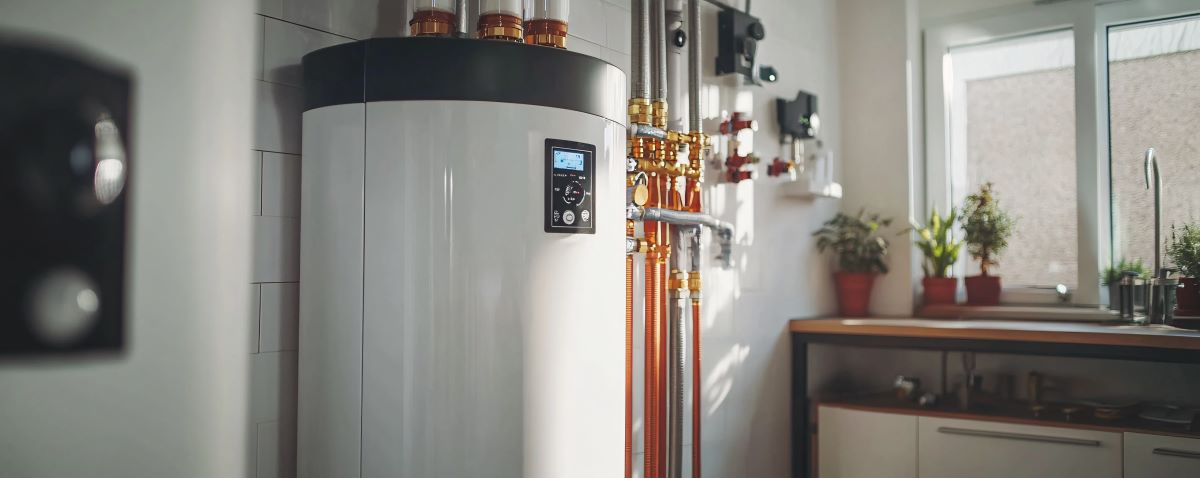
A conversion can require more than removing one appliance and hanging another. Gas supply capacity, vent material and routing, electrical requirements, water connections and condensate disposal must suit the selected model. Whole-house electric tankless equipment can place substantial demand on the electrical service, so compatibility needs assessment before purchase.
Our installation recommendation should make these changes visible in the scope. If the utility or installation work makes tankless impractical for your home, a properly selected storage heater may remain a reasonable choice. Compare both through our Chattanooga water heater services.
How to compare two installation estimates
| Ask about | What a useful answer explains |
|---|---|
| Capacity | How the proposed equipment handles your expected simultaneous demand. |
| Included work | Removal, piping, venting, utility modifications and applicable inspection requirements. |
| Completion | Startup checks, operating settings, leak checks and a homeowner walkthrough. |
| Long-term care | Model-specific maintenance, water-quality considerations and equipment warranty conditions. |
Keep ownership practical after installation
Ask where to find the operating manual, how to recognize a fault indication and how future service will be arranged. Manufacturer requirements govern maintenance; local water conditions and usage can influence cleaning needs. A neglected unit should not be expected to perform like a properly maintained one.
Installation timing depends on the existing setup, approved scope, equipment and any required coordination. Plan the hot-water interruption with the installer rather than assuming every conversion can be completed in a single short visit. Financing information is available if you are considering a larger replacement project.
Questions homeowners ask
Will a tankless unit make hot water reach my shower instantly?
No. The distance and water held in the piping still affect the wait. A suitable recirculation arrangement may help in some homes, but it must be planned with the system.
Does a bigger unit always mean better performance?
Capacity should match the expected demand and required temperature rise. Utility supply, piping and installation conditions must also support the equipment.
Should I repair my current heater before choosing a conversion?
An assessment can help. A serviceable fault may be economical to repair, while a leaking tank or repeated expensive failures may justify comparing replacement options.
Can tankless installation reduce my bills?
Energy use depends on the equipment, fuel, household habits and existing system. Ask for a realistic comparison; a particular saving cannot be guaranteed for every home.
Build a hot-water plan that fits your home
Contact One Source in Chattanooga to discuss your current heater, daily hot-water needs and the installation work involved in a tankless upgrade.